

Arriving in Malaysia,Got a headache or fever and need a pharmacy? Your child has a cold and you want a doctor who speaks Chinese? Sudden illness and unsure whether to rush to a public or private facility? Don’t panic! This guide is tailored for the Chinese community, covering everything from "restocking your medicine cabinet" to "consultation reimbursements." It clearly explains how to use pharmacies, GP clinics, and public hospitals, making it easy even for those who don’t speak English.
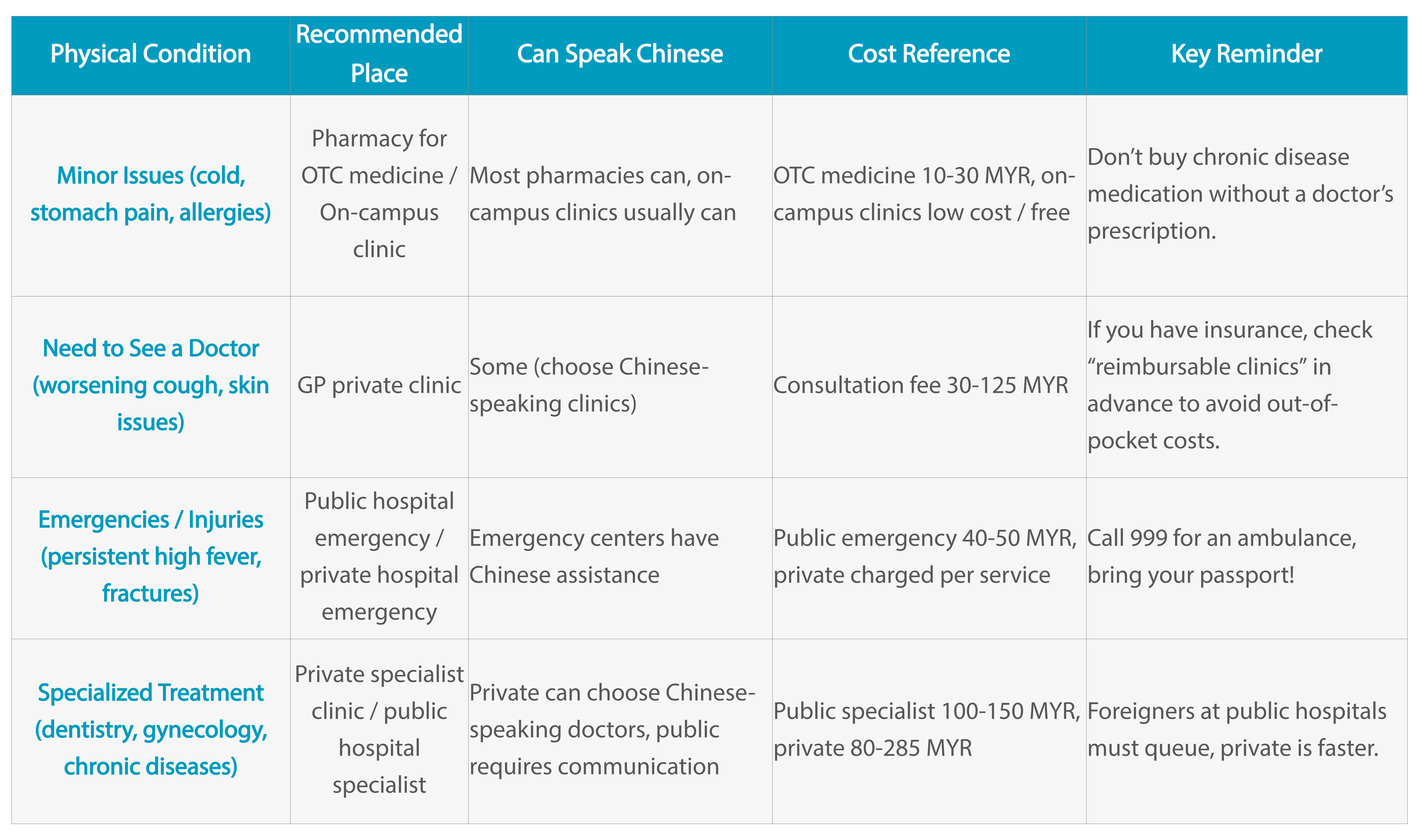
I. Keep This Handy! Quick Reference Table for Medical Scenarios (No need to memorize, just refer to it)
Just landed and unsure where to go? Check this table, find the institution that corresponds to your situation, and save yourself the hassle!
II.Pharmacy Section: No Need to Panic When Buying Medicine, Chinese-speaking Pharmacists Are Here to Help
In Malaysia, you don’t need to use English to buy medicine! Whether it’s for emergency cold relief or chronic disease medication, just remember these three points:
- What Medicine to Buy and Where?
- Over-the-Counter (OTC) Medicine (No Prescription Needed): For example, cold medicine, gastrointestinal drugs, and band-aids. Just go to a "shopping mall pharmacy" (like Guardian or Watsons). Most staff can speak Chinese. You can say, “I have a cold and need medicine for nasal congestion,” and they will recommend options. Prices range from 10-30 MYR, which is slightly higher than in your home country but very convenient.
- Prescription Medicine (Must Have a Doctor's Prescription): This includes antibiotics and chronic disease medications (like antihypertensives and antidiabetics). You need to see a doctor first to get a prescription and then go to the pharmacy. Only prescriptions from Malaysian doctors are accepted; those from your home country won’t work here!
- Attention Chronic Disease Patients! Bring Your Medications + Tips for Filling Prescriptions
- If you brought chronic disease medication from your home country, be sure to:
- ✅ Translate the prescription into "English or Malay" in advance (to avoid issues with customs), and specify the "generic name" of the medication (e.g., “Nifedipine tablets,” not just the brand name);
- ✅ If you’re running low on medication, consult a Chinese-speaking doctor at a GP clinic to prescribe a local alternative. This is more convenient than mailing from your home country.
- Pharmacy Operating Hours (Don’t Waste a Trip!)
- Shopping Mall Pharmacies: Monday to Friday from 10:00 AM to 10:00 PM, open on weekends, so you don’t have to panic if you need medicine at night.
- Hospital/Clinic Affiliated Pharmacies: Follow the hospital hours; most public/private hospital pharmacies are open 24 hours (you can get medication in emergencies).
- Independent Small Pharmacies: Usually located in residential areas, open Monday to Friday from 8:00 AM to 5:00 PM, Saturday mornings, closed on Sundays.
III. GP Private Clinic Section: The First Choice for Minor Illnesses, Choose a Chinese-speaking Doctor with Ease
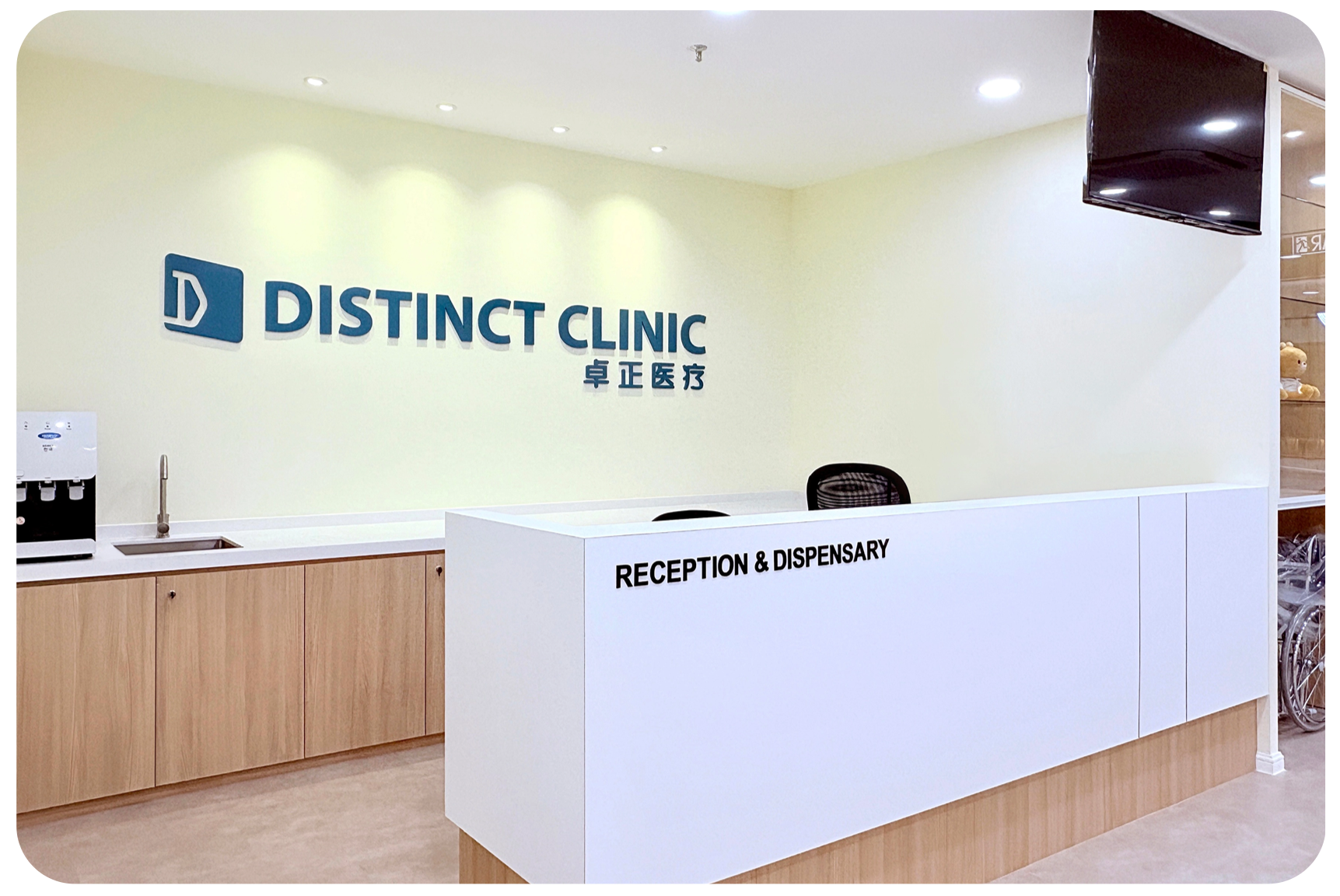
GP clinics are what we commonly refer to as "community hospitals." They are super convenient for treating colds, coughs, and skin allergies, especially since you can "choose a Chinese-speaking doctor," ensuring zero communication barriers!
- How to Find a "Chinese-speaking GP Clinic"? (2 Super Simple Methods)
- No need to wander aimlessly; follow these steps to find one in 5 minutes:
Method 1: Go to the Ministry of Health Malaysia's official website (https://www.moh.gov.my/), select "Find Healthcare," enter your city (e.g., "Kuala Lumpur"), and filter for "Private Clinic." It will indicate whether they provide Chinese services (if not marked, call the clinic and ask, “Can I speak to a Chinese doctor?”).
Method 2: Use GetDoc (https://www.getdoc.co/), click on "CLINICS," fill in the city for Location, choose "General Practice" for Specialty, and select "Malaysia" for Country. Many clinics listed will indicate "Chinese service," and you can directly see reviews from other Chinese patients!
- No need to wander aimlessly; follow these steps to find one in 5 minutes:
- Consultation Process (3 Steps to Complete, with Reimbursement)
- Step 1: Bring your documents: passport + insurance card (if purchased) + student card / Malaysia My Second Home card, and register at the front desk.
- Step 2: Consultation and Prescription: The Chinese-speaking doctor will ask detailed questions about your condition (e.g., “How long have you been coughing? Do you have a fever?”). After writing the prescription, you can get the medicine directly from the clinic’s pharmacy, so no need to go elsewhere.
- Step 3: Reimbursement Tips: If using insurance, ask the front desk for a "medical receipt + cost breakdown" after your visit. Keep it safe! For hospitalization, you need to notify the insurance company in advance; for outpatient services, it’s mostly "pay first, then claim from the insurance company."
- Costs & Timing (Be Informed to Avoid Being Overcharged)
- Consultation Fee: 30-125 MYR (depending on the condition; a common cold costs 30-50 MYR, skin issues 50-80 MYR).
- Operating Hours: Monday to Friday from 8:00 AM to 5:00 PM; some clinics are open Saturday mornings and closed on Sundays (it’s advisable to call ahead to confirm to avoid unnecessary trips).
- Waiting Time: No need for appointments; just wait 10-20 minutes after arriving, which is much quicker than public hospitals!
IV. Public Hospital Section: The First Choice for Emergencies and Major Illnesses, Lower Costs but Longer Waits
Public hospitals, while not free for foreigners, charge significantly less than private ones, making them suitable for "sudden emergencies" or situations that require tests (like blood draws or X-rays). Remember: "no wait for emergencies, but appointments are needed for regular consultations!"
- How Much Do Foreigners Pay at Public Hospitals?
- Don’t worry about being overcharged; the fees are standardized:
Regular Consultation: 40-50 MYR (for seeing a general practitioner, includes basic examination).
Specialist Consultation: 100-150 MYR (for specialties like internal medicine or pediatrics, requires prior appointment, may wait 1-2 weeks).
*Emergency: Charged per service; for example, fever emergency 50-80 MYR, fracture treatment 100-200 MYR, which is much cheaper than private emergency services.
- Don’t worry about being overcharged; the fees are standardized:
- What to Do in an Emergency? (Stay Calm During Sudden Situations)
- If you have a persistent high fever or have been injured, call 999 for an ambulance (be clear about your address, e.g., “I’m at XX Apartment, Kuala Lumpur, I have a high fever,” and a Chinese-speaking operator will assist you). Upon arrival at the hospital's emergency department, show your passport to the nurse, who will first "triage" (treat the most serious cases first) and then guide you to the doctor. Staff will help with communication, so don’t worry about your English!
- Important Notes! Small Features of Public Hospitals
- Waiting Time: Regular consultations may take 1-2 hours (after all, it's cheaper), but emergency cases are seen quickly, usually within 30 minutes.
- Chinese Services: Large public hospitals (like Kuala Lumpur General Hospital) have an "International Patient Service Desk" that provides Chinese translation. Small hospitals can ask nurses to help find a Chinese-speaking doctor.
- Medications: After your consultation, you can collect your medications from the hospital pharmacy; the costs are included in the consultation fee, so there’s no need to pay extra.
V. Exclusive for International Students: On-Campus Clinics + Health Insurance, Saving Big on Medical Expenses
If you’re an international student, don’t just blindly go to off-campus clinics! The resources at your school are incredibly useful:
- ✅ On-Campus Clinics: Get minor illnesses treated for free or at a low cost. Just bring your student card, and the doctors can speak Chinese. If they don’t have medication, they can issue a "prescription for an external pharmacy," allowing you to get discounts on your medication.
- ✅ Mandatory Health Insurance: The school will purchase insurance for you, costing 800 MYR per year (about 1200 RMB). This covers 23 designated hospitals, and you can claim for hospitalization and surgeries, so remember to keep your insurance card safe.
- ✅ Charity Organization Assistance: For example, the "Malaysia Chinese Charity Medical Center" provides subsidies for international students’ medical expenses. Check th
e "Student Welfare" section on the school’s official website for contact information!
No Confusion in Seeking Medical Care in Malaysia! A Friendly Guide in Chinese: "Pharmacies + Clinics + Hospitals"
VI. Friendly Tips for Chinese Speakers: These Details Can Help You Avoid Detours
- When looking for a doctor, simply ask, “Excuse me, is there a doctor who speaks Chinese?” (Mandarin or Cantonese is fine; many doctors are Chinese).
- Keep your medical receipts safe: Whether it's a pharmacy receipt or a clinic consultation slip, hold onto them; you may need them for reimbursements or visa renewals.
- Long-term residents must buy local health insurance: Chinese nationals on the Malaysia My Second Home program or those working should definitely purchase local health insurance. It can save you tens of thousands of MYR in case of serious illnesses. When choosing an insurance company, opt for one that offers "Chinese-speaking customer service" for easier claims.
In fact, seeking medical care in Malaysia is straightforward as long as you go to the right places and bring the necessary documents. You don’t need to worry about not speaking English! I hope everyone stays healthy, and even if you occasionally feel unwell, you can handle it easily. If you want to know "which GP clinics in Kuala Lumpur have more Chinese-speaking doctors" or "how to claim health insurance for chronic diseases," feel free to ask me for more useful information!
Produced by Health Express Team
Content Development: Distinct Health Express Editorial Team
Professional Review: Distinct Health Express Medical Team
This article was initially drafted with AI assistance, refined by editors, and finalized following professional review by physicians.
This is original content by Distinct Healthcare, provided for informational purposes only and not intended as medical advice. For personalized guidance, consult a qualified physician.
Contact Email:health_content@distincthealth.com